Dental Implants: The Modern Way To Replace Teeth
 Using dental implants as the primary option for replacing teeth has given us the opportunity to work with some of the best, most innovative technology available. Tooth loss is something that affects people from all demographics, across the entire spectrum of ages. Ironically, most people tend to take their teeth for granted until they lose one and realize what a vital role teeth play in functions beyond just eating. For example, your teeth play a primary role in speaking and enunciating. They also form the basis for the most commonly used human facial expression, the smile. Once a tooth is lost, it becomes apparent how important they are and people start looking for a solution. It is a myth that tooth loss is confined to the elderly. In fact, 69% of all Americans between the ages of 35 and 45 have lost at least one tooth, making this a universal adult problem.
The great thing about dental implants is that they are not an upstart treatment but have been around for literally thousands of years. The first dental implants can be traced back to ancient Mayan women who would hammer pieces of shell or bone into their patient's gums to replace teeth. Today, there are the benefits of modern science, allowing us to use the most sophisticated technology and materials to make a tooth that looks, feels, and behaves like a naturally occurring tooth. New fake teeth held in place by a dental implant are so natural looking that after a while even the patients forget which teeth they had replaced. Here are a few fun facts that make dental implants stand head and shoulders above their competition.
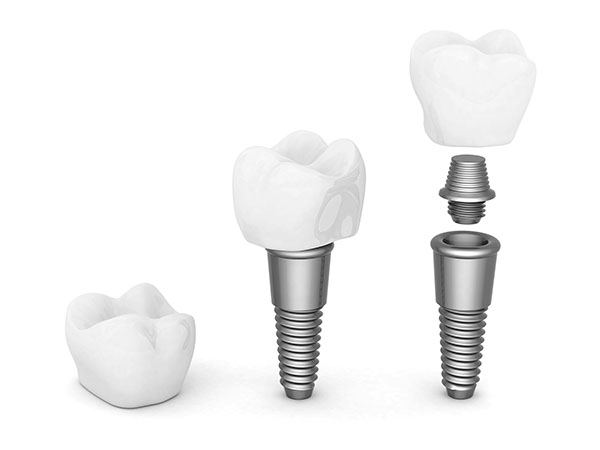
Dental implants are custom fabricated in the laboratory using a space age material. Most people do not realize this, but the humble screw that is placed in your gum to hold a tooth in place is made of titanium, the same material that NASA uses for space crafts. This is done because titanium is extremely hardy and durable, making it the perfect material for both spacecraft and dental implants.
Dental implants are the strongest and longest lasting of all devices used to replace teeth. Since they are made of titanium, the dental implants have a fundamental advantage when it comes to longevity. In addition to this, they are securely placed into the jawbone where they are protected and nurtured by the jawbone itself. This leads to a much longer lifecycle than a device placed on top of the gums, such as dentures.
Dental implants actually stimulate the jawbone, imitating the action of your naturally occurring tooth root. The root provides invaluable stimulus to the jawbone which is lost when the tooth falls out. This can lead to complications like resorption of the jawbone. The dental implants will actually imitate this stimulus which is provided by the pressure of chewing and using the teeth, helping to increase the viability of the jawbone itself. This is the only oral prosthetic that actually encourages natural growth.
Dentures > Emergency Dentist